
Aeronautic Industry
Chemical first aid for aeronautic manufacturing and maintenance
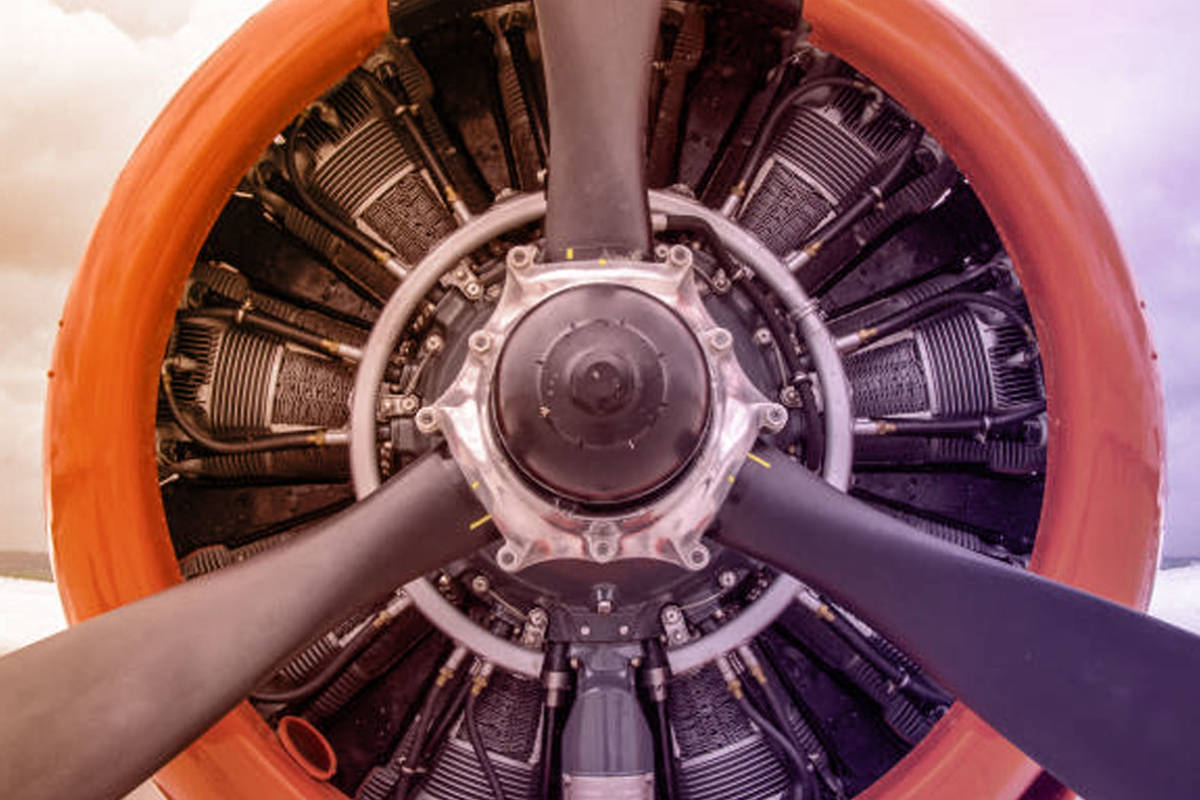
Aviation is a vast industry spanning the manufacture and construction of aircraft, the maintenance of fleet, and the complex operation of airports and ground support. At every stage, workers encounter a demanding range of chemical hazards — from the concentrated acids used in metal milling and surface treatment during manufacture, to the hydraulic fluids, jet fuels and de-icers that maintenance crews handle daily, to the cleaning chemicals and water treatment processes required to keep airport facilities operational.
Component manufacturing involves chemical milling and plating processes using nitric acid, sulphuric acid, and caustic soda. Interior manufacturing uses polymers, resins and adhesives. Maintenance operations bring technicians into contact with Skydrol® hydraulic fluid, Jet-A1 fuel, and a range of de-icing and anti-icing compounds. And airport facilities management carries its own chemical risk profile — including the threat of corrosive substance attacks, which the security sector increasingly recognises as a specific hazard requiring dedicated first aid provision.
What makes chemical risk in aviation particularly challenging is location. Maintenance engineers work on elevated platforms, in confined undercarriage bays, in engine nacelles, and in areas of the hangar or apron that are far from any fixed emergency shower. Manufacturing plating lines and surface treatment baths are often in dedicated areas where a wall-mounted shower may be the nearest provision — but getting to it in under 10 seconds after a serious splash is rarely realistic.
This is where Diphoterine® changes the equation. As a portable, active chemical decontaminant requiring no plumbing and no installation, Diphoterine® can be stationed precisely at the point of chemical risk — on the maintenance platform, adjacent to the plating tank, at the de-icing fluid storage point. When a splash occurs, treatment begins in seconds rather than the time it takes to reach a fixed shower.
Diphoterine® is active across all seven major classes of chemical aggressor encountered in aeronautic environments — acids, bases, oxidisers, reducers, chelating agents, solvents, and alkylating agents — covering the full range of manufacturing and maintenance chemicals without the responder needing to identify the substance first. For hydrofluoric acid exposures — present in some aluminium etching and surface treatment processes — Hexafluorine® is the dedicated Prevor decontaminant. Used in combination with Trivorex®, Polycaptor® and Le Vert® / Le Vert HF®, DipHex can provide a comprehensive solution covering chemical splashes, spills and HF-specific incidents across the site.
Chemicals of note in this industry:
Manufacture: Nitric Acid, Sulphuric Acid, Hydrofluoric Acid, Caustic Soda. Maintenance: Skydrol®, Jet-A1, Urea, Sodium Formate, Sodium Acetate, Potassium Acetate.
COSHH and compliance
Under COSHH Regulations 2002, aeronautic manufacturers and MRO facilities must demonstrate that emergency decontamination provision is adequate for the specific chemicals in use and the locations where exposure could occur. For maintenance operations conducted away from fixed shower points, portable Diphoterine® provision directly supports a defensible COSHH risk assessment. Diphoterine® systems conform with EN15154 Parts 3 and 4 — the European Standards for Emergency Eye and Skin Decontamination Equipment.
Contact DipHex on 01622 851000 or at enquiries@diphex.com to discuss the right provision for your aeronautic site.