

Automotive Industry
Chemical first aid for automotive manufacturing and EV battery environments
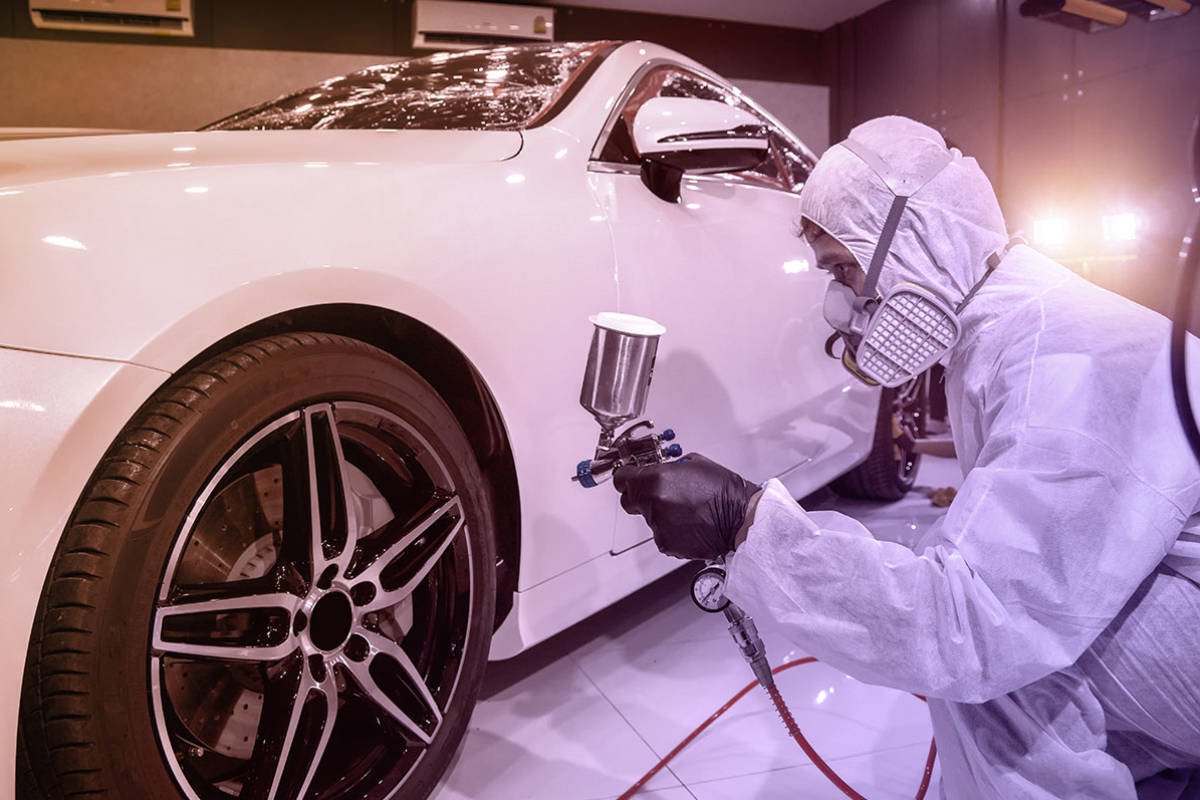
There is chemical risk at every stage of automotive production. Surface treatment chemicals prepare metal component parts for anti-corrosion coatings and paints. Chemical foams and adhesives are used in interior assembly, sound-proofing and insulation. Paints and solvents are applied during surface finishing. And, increasingly, the shift to electric and hybrid vehicles has introduced a new category of chemical hazard — the electrolytes, fluoride compounds, and reactive materials associated with lithium-ion battery production and maintenance.
The move from steel to aluminium car bodies has also brought new production processes, including etching and surface treatment steps that involve fluorides in acidic media. Ammonium bifluoride — used in aluminium wheel cleaning and certain surface treatment operations — is a fluoride-containing compound that requires specific consideration in any COSHH assessment. And at the manufacturing scale at which automotive facilities operate, the volume and concentration of acids, alkalis and solvents in use means that chemical burns are not a theoretical risk but a foreseeable operational event.
What makes automotive particularly challenging from a first aid perspective is the diversity of that chemical range. A surface treatment line, a paint shop, a battery assembly area, and a body shop cleaning station may all be present on the same site — each with different chemical hazards, different exposure scenarios, and different proximity to fixed emergency shower provision. Diphoterine® addresses this directly. As an active decontaminant effective across all seven major classes of chemical aggressor — acids, bases, oxidisers, reducers, chelating agents, solvents, and alkylating agents — it covers the full automotive chemical range in a single portable format. The person responding to an incident does not need to identify the substance before treatment begins.
The growth of EV and hybrid vehicle production introduces specific additional hazards that most sites have not yet fully incorporated into their chemical first aid planning. Lithium-ion battery electrolytes are corrosive and systemically toxic on skin and eye contact. Thermal runaway events can release hydrogen fluoride gas — an unusually dangerous hazard because at low concentrations it causes initially painless burns while fluoride ions diffuse into tissue and disrupt calcium metabolism, with potentially fatal systemic consequences. For automotive sites handling EV battery systems, a two-tier provision is recommended: Diphoterine® as the primary decontaminant for electrolyte splash and general corrosive exposure, with Hexafluorine® and calcium gluconate gel available for any process where HF exposure has been identified in the COSHH risk assessment.
Chemicals of note in this industry:
Nitric Acid, Sulphuric Acid, Sodium Hydroxide, Ammonium Bifluoride, Battery Electrolytes, Solvents.
COSHH and compliance
Automotive manufacturing sites handle a wide range of hazardous chemicals across multiple departments and working environments. A COSHH assessment that maps each chemical hazard to a specific decontamination provision — and confirms realistic response times from each work area — is both a legal requirement and the foundation of effective chemical first aid planning. Diphoterine® systems conform with EN15154 Parts 3 and 4 — the European Standards for Emergency Eye and Skin Decontamination Equipment.
Contact DipHex on 01622 851000 or at enquiries@diphex.com to arrange a technical site survey for your automotive facility.