

Chemical Industry
Chemical first aid for chemical manufacturing, processing and speciality chemicals
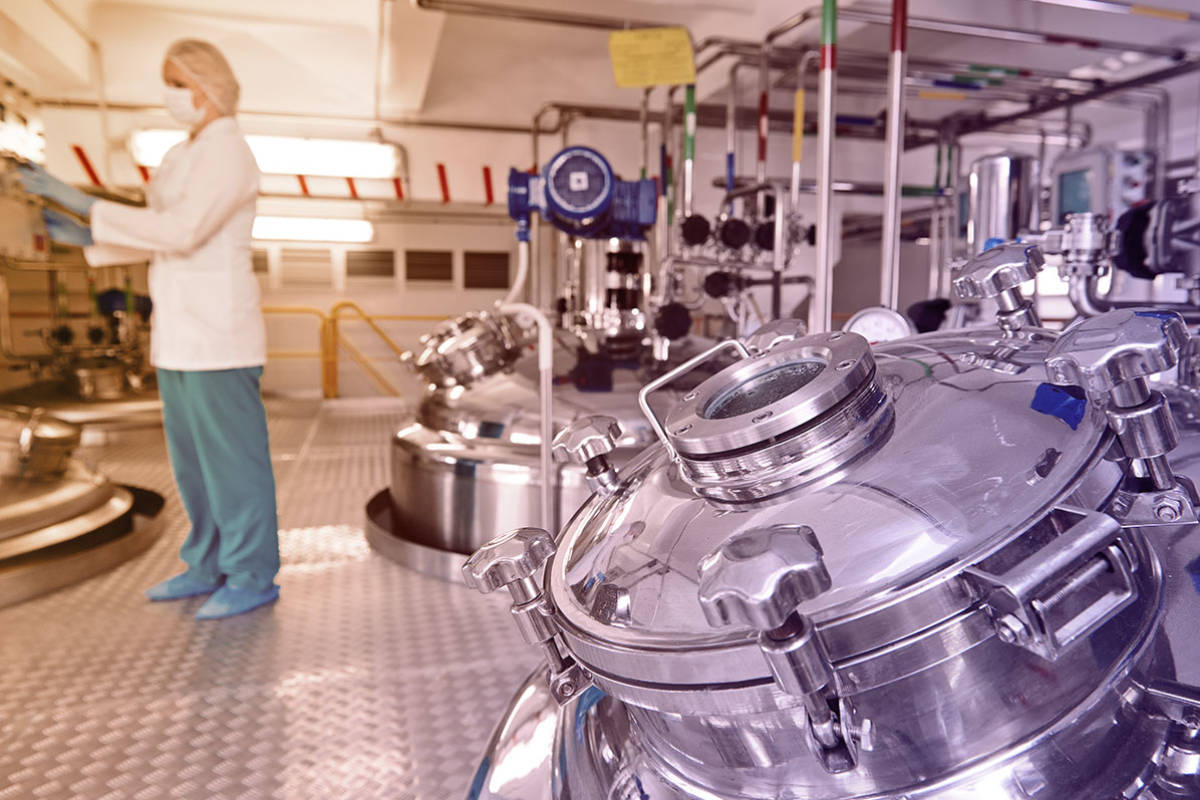
The chemical industry is one of the most diverse and complex manufacturing sectors in the UK, encompassing everything from large-scale commodity production to highly specialised life science and consumer product manufacturing. Each sub-sector brings its own specific chemical hazard profile — and its own demands on chemical first aid provision.
Commodity chemicals — including polymers, bulk petrochemicals, inorganic chemicals and fertilisers — are produced and handled at industrial scale. Polymers underpin the production of packaging, plastics, construction materials and man-made fibres including polyester and nylon, all derived from petrochemical feedstocks. Petrochemical processing involves ethylene, benzene, toluene, methanol and xylenes, among others. Inorganic chemical manufacture includes chlorine, caustic soda, mineral acids, titanium dioxide and hydrogen peroxide — some of the most hazardous corrosive substances handled anywhere in industry. Fertiliser production involves phosphates, potash and ammonia chemicals at scale.
Speciality chemicals represent a growing and high-value segment — industrial coatings, cleaning chemicals, catalysts, industrial gases, pigments, inks, adhesives, sealants and electronic chemicals. Many of these involve highly reactive intermediates, complex synthesis steps, and chemicals with acute toxicity profiles that go well beyond the standard acid-and-alkali hazard model.
Life science chemical production — pharmaceuticals, animal health products, vitamins, diagnostic reagents and pesticides — operates under strict GMP and regulatory frameworks, adding a compliance dimension to chemical first aid that goes beyond standard COSHH requirements. Research and development facilities within this sector frequently work with novel or reactive substances for which standard Safety Data Sheet guidance may be limited.
Consumer product chemical manufacturing — soaps, detergents, cosmetics — involves caustic alkalis, surfactants, oxidisers and fragrances across production, filling and packaging operations.
For sites across all of these sub-sectors, Diphoterine® provides a single broad-spectrum active decontaminant covering all seven major classes of chemical aggressor — acids, bases, oxidisers, reducers, chelating agents, solvents, and alkylating agents. Where a site handles a wide range of different chemical substances, this breadth of coverage is operationally critical: the person responding to an incident does not need to stop and identify the substance before beginning treatment. Diphoterine® is active against all of them.
For chemical manufacturers working with highly reactive intermediates or substances with delayed toxicity profiles, Diphoterine®'s delayed wash capability provides an additional safety margin — it remains effective using an adjusted protocol up to 24 hours after exposure, unlike water which provides only surface dilution when used late.
Where hydrofluoric acid or fluoride compounds are present — including fluorochemical production, HF-based catalysts, or fluoride salt manufacture — Hexafluorine® is the dedicated Prevor decontaminant, used as part of a specific HF response protocol that also includes calcium gluconate gel provision.
DipHex offers a Technical Site Survey for chemical industry clients — an on-site assessment of specific chemical hazards, working locations, and current first aid provision, resulting in a documented recommendation for compliant, fit-for-purpose decontamination provision across the entire site.
COSHH and compliance
Chemical manufacturers and processors face some of the most demanding COSHH compliance requirements of any sector. Risk assessments must address the specific substances in use, their concentrations and volumes, the working locations of exposed employees, and the documented adequacy of emergency decontamination provision for every hazard scenario. Diphoterine® systems conform with EN15154 Parts 3 and 4 — the European Standards for Emergency Eye and Skin Decontamination Equipment.
Contact DipHex on 01622 851000 or at enquiries@diphex.com to arrange a Technical Site Survey.