

Food and Drink Industry
Chemical first aid for food production, cold storage and drink manufacturing
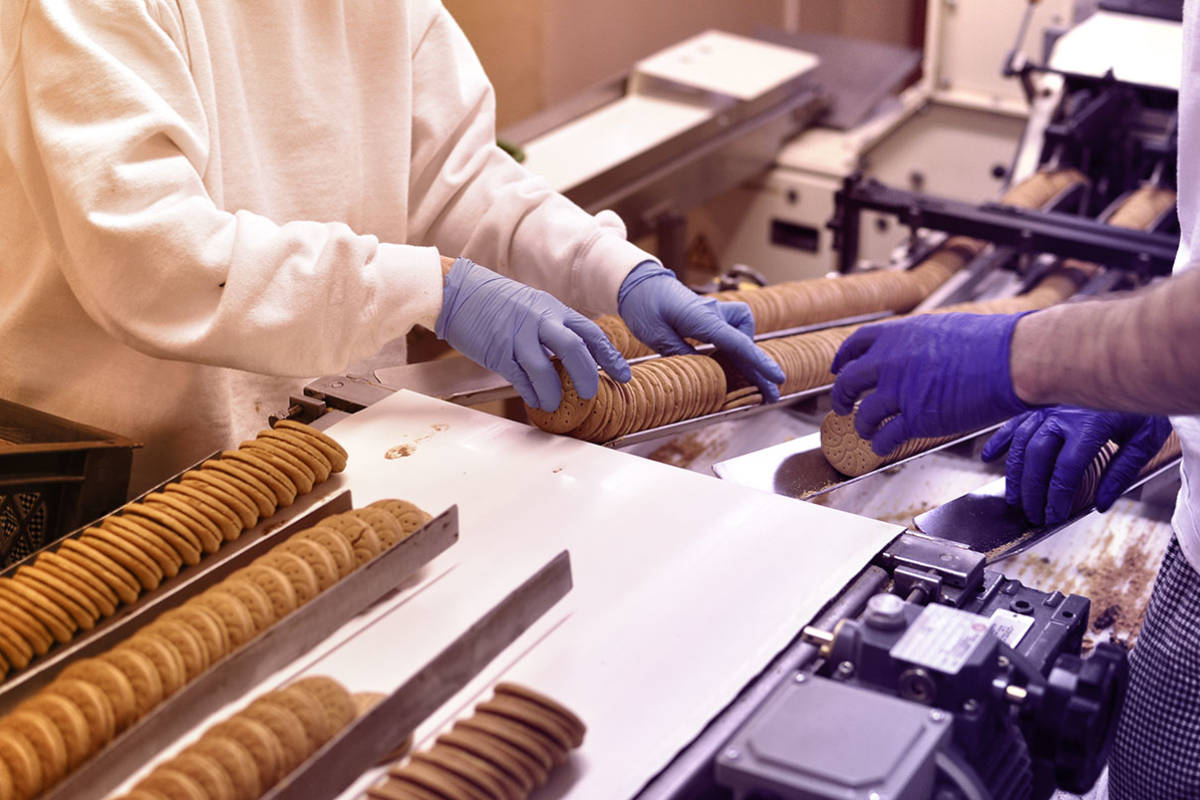
The food and drink industry is one of the UK's largest manufacturing sectors and one of its most chemically complex. The size and nature of businesses within it varies enormously — from small artisan producers to large-scale industrial facilities — but the chemical hazard profile is consistently demanding. High hygiene standards require frequent, aggressive cleaning regimes. Refrigeration demands ammonia. Water treatment and effluent management add further chemical risk. And the confined spaces, mezzanine floors, and cold working environments that characterise food production create specific challenges for emergency response.
Cleaning-in-place (CIP) systems are among the highest-risk chemical operations on any food production site. Sodium hydroxide, nitric acid, and chlorinated alkalines are pumped under pressure through process equipment at high concentrations — splash and spray incidents during connection, disconnection, and valve operation are foreseeable events at every site that uses automated cleaning. Peracetic acid, widely used for cold disinfection, causes rapid and serious skin and eye damage on contact. Hydrogen peroxide at processing concentrations is a powerful oxidiser. Manual cleaning operations using any of these substances expose cleaning teams and production staff to direct splash risk.
Ammonia refrigeration is the most serious chemical hazard on many food production sites and one of the most frequently underestimated. Anhydrous ammonia reacts instantly with moisture on skin, in the eyes, or in the lungs to form ammonium hydroxide — a highly corrosive compound that can cause lasting injury within seconds of contact. Its strong smell aids early detection, but once contact occurs the damage happens fast. Incidents most often occur during maintenance of refrigeration systems, valve or seal failures, and transfer operations — typically in plant rooms or roof spaces that are far from any fixed emergency shower. Every second between contact and decontamination is a second of ongoing injury.
Other chemical risks in the food sector include sulphuric acid at forklift battery charging stations, hydrofluoric acid in pickling paste used for stainless steel welding — a hazard that is frequently overlooked entirely — and a range of laboratory and testing chemicals in quality control environments.
Diphoterine® addresses all of these hazards in a single portable format. Its active chemistry — mechanical washing, hypertonic osmotic draw, and amphoteric chelating action — renders all seven major classes of chemical aggressor harmless, covering the full range of acids, alkalis, oxidisers, and solvents encountered across food production without the responder needing to identify the substance. Because Diphoterine® is portable and requires no plumbing, it can be stationed at the refrigeration plant room, adjacent to CIP connection points, at chemical storage areas, and in confined production spaces where fixed provision cannot reach. It uses up to 180 times less liquid than an emergency safety shower — a significant practical advantage in cold store environments where hypothermia risk and water management are real operational concerns.
For hydrofluoric acid exposures from pickling paste or other HF-containing products, Hexafluorine® is the dedicated Prevor decontaminant, used alongside calcium gluconate gel as part of a specific HF response protocol.
Chemicals of note in this industry:
Sodium Hydroxide, Nitric Acid, Peracetic Acid, Hydrogen Peroxide, Chlorinated Alkalines, Ammonia (NH₃), Sulphuric Acid, Hydrofluoric Acid.
COSHH and compliance
COSHH risk assessments on food production sites must account for the specific chemicals in use, the locations where exposure could occur, and the realistic response time from each work area to the nearest decontamination point. For ammonia refrigeration environments and CIP chemical handling areas, portable Diphoterine® provision directly addresses the gap between where incidents happen and where fixed provision is sited. Diphoterine® systems conform with EN15154 Parts 3 and 4 — the European Standards for Emergency Eye and Skin Decontamination Equipment.
Contact DipHex on 01622 851000 or at enquiries@diphex.com to discuss the right provision for your food production site.