

Glass Industry
Chemical first aid for glass manufacturing, etching and surface treatment
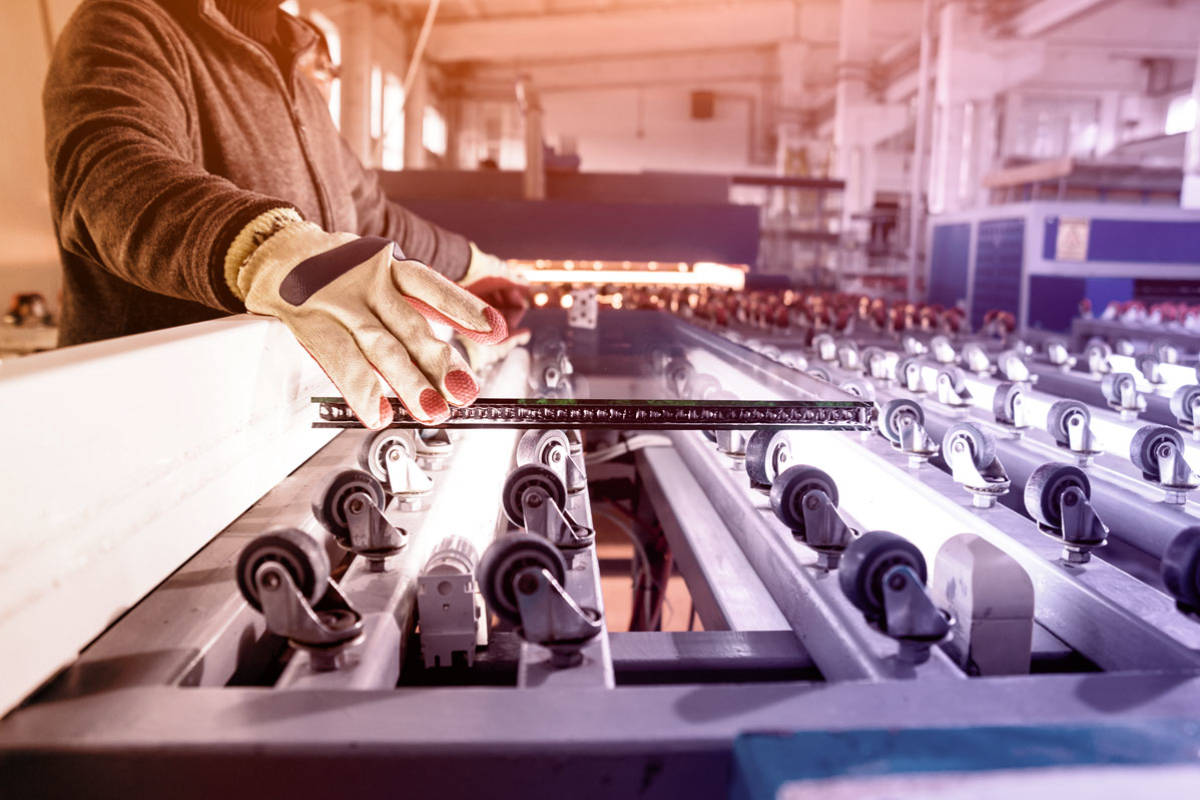
The glass industry spans four major sectors — Container Glass, Flat Glass, Fibreglass, and Speciality Glass — each producing very different end products but sharing many of the same chemical processes and, critically, many of the same chemical hazards. It is an industry where workers are exposed to some of the most dangerous substances in routine industrial use, including hydrofluoric acid — a chemical that demands specific first aid provision that standard water eyewash stations cannot provide.
Dipping and surface treatment processes involve manufactured glass components being immersed in acidic or caustic baths to achieve surface finishes, coatings, or structural modifications. The main chemicals used include sulphuric acid, nitric acid, hydrochloric acid, and sodium hydroxide — all serious corrosives that cause rapid skin and eye burns on contact. Diphoterine® is the active decontaminant of choice for these substances, covering all four within its broad-spectrum amphoteric and chelating action.
Glass etching and engraving introduces the most serious hazard in the sector. Hydrofluoric acid — in gas or solution form — is the standard etching agent for glass because of its unique ability to react with silicon dioxide. Other fluoride compounds used for etching include sodium hydrogen fluoride and ammonium bifluoride. All of these substances carry a potentially lethal risk that goes well beyond their surface burn potential.
Hydrofluoric acid does not behave like other acids. At working concentrations, contact may cause little or no immediate pain — which means workers can be significantly exposed before they realise the severity of what has happened. The fluoride ions penetrate tissue, bypass the skin, and enter the bloodstream where they bind to calcium, disrupting electrolyte balance. This can cause cardiac arrhythmia and, in sufficient exposures, death — from what initially appeared to be a minor splash. Sodium hydrogen fluoride and ammonium bifluoride carry the same systemic toxicity risk through the same fluoride ion mechanism.
For hydrofluoric acid and all fluoride-containing etchants, Hexafluorine® is the dedicated Prevor decontaminant — formulated specifically to bind fluoride ions at the point of contact and limit systemic absorption. Hexafluorine® must be used as part of a specific HF response protocol that also includes topical calcium gluconate gel, trained first responders, and immediate emergency medical notification for any significant exposure. This protocol should be formally documented in the site COSHH assessment for any glass facility that uses HF or fluoride-based etchants.
Diphoterine® is suitable for all other chemicals used in glass manufacturing and surface treatment — the dipping bath acids, caustic solutions, and general corrosives — providing broad-spectrum active decontamination across the full range in a single portable format. Used in combination with Hexafluorine®, Trivorex®, Polycaptor® and Le Vert® / Le Vert HF®, DipHex can provide comprehensive chemical first aid and spill management coverage across the complete glass industry hazard profile.
Chemicals of note in this industry:
Hydrofluoric Acid (etching — requires Hexafluorine®), Sodium Hydrogen Fluoride, Ammonium Bifluoride, Hydrochloric Acid, Sulphuric Acid, Nitric Acid, Sodium Hydroxide.
COSHH and compliance
Glass industry COSHH assessments must explicitly address the HF and fluoride etching hazard with a dedicated response protocol — not a generic chemical burn procedure. The systemic toxicity of fluoride compounds means that a casualty who appears to have suffered a minor burn may be at serious risk without adequate immediate treatment. Diphoterine® and Hexafluorine® systems conform with EN15154 Parts 3 and 4 — the European Standards for Emergency Eye and Skin Decontamination Equipment.
Contact DipHex on 01622 851000 or at enquiries@diphex.com to discuss provision for your glass manufacturing site.