
Emergency Services
Diphoterine® and Hexafluorine® for fire, ambulance, police and HART teams
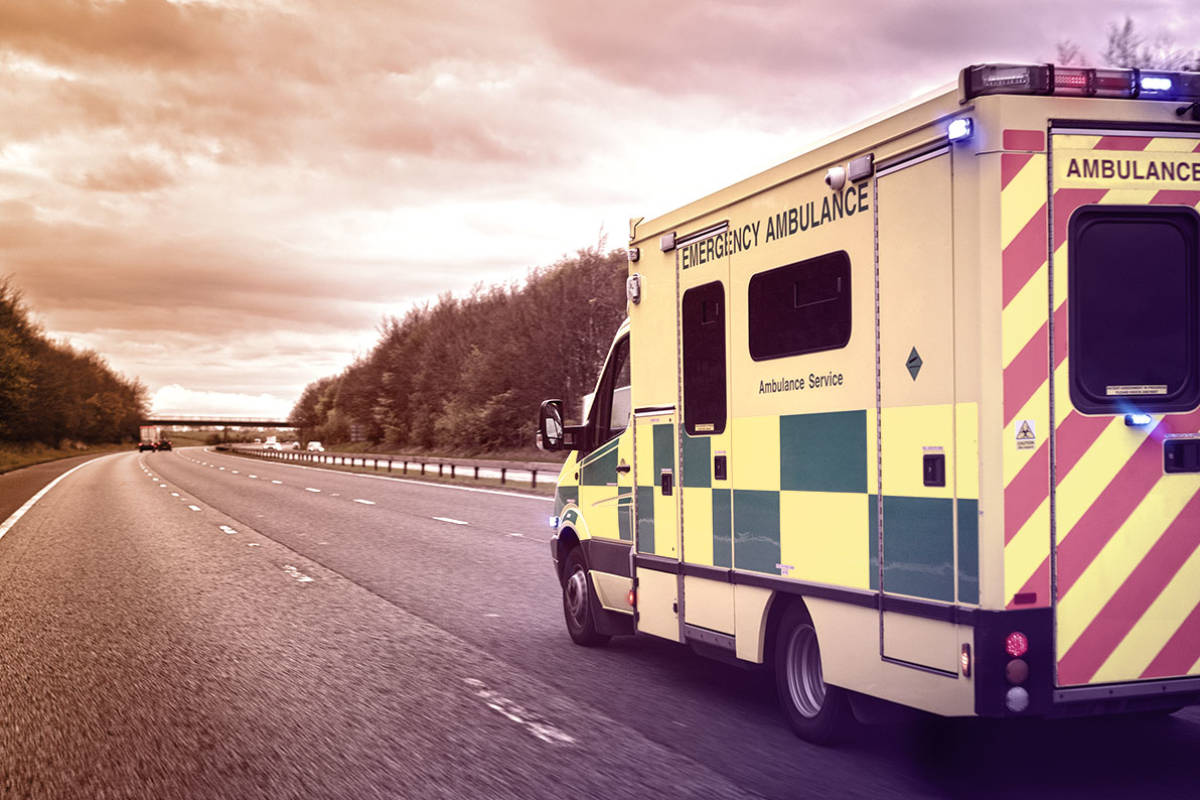
The emergency services are on the front line of chemical incident response — and increasingly, of deliberate corrosive attacks. Police, fire, ambulance, and Hazardous Area Response Teams (HART) all face scenarios in which rapid, effective chemical decontamination is not just a first aid requirement but a critical operational capability.
Chemical incident response is generally complex, often involving all three emergency services simultaneously. Large industrial incidents may require specialist decontamination teams and equipment to be deployed over extended periods. Corrosive substance attacks — which have increased significantly in the UK over recent years — require fast, effective decontamination of victims in pre-hospital settings where access to fixed facilities is absent. Vehicle accidents involving electric vehicles present an emerging risk from lithium-ion battery damage and potential hydrofluoric acid exposure. And first responders themselves face secondary contamination risk when treating victims of chemical incidents without adequate decontamination provision on hand.
Our portable full-body Diphoterine® shower and decontamination systems can be rapidly deployed to any incident, providing active chemical decontamination capability that goes well beyond the dilution offered by standard water provision. Diphoterine® binds and renders harmless the chemical aggressor — making first aid treatment safer for responders as well as more effective for casualties. The portable format means decontamination capability is available immediately at the scene, rather than waiting for specialist equipment to arrive.
Within hospitals and Burns Services, Diphoterine® and Hexafluorine® have been used successfully for a number of years — including via a delayed wash protocol — to return damaged skin and eye tissue to a safe physiological pH. Independent studies have shown that use of Diphoterine® in clinical settings has led to reduced pain, reduced need for surgical intervention, and reduced length of hospital stay. This is why amphoteric solutions are now recommended by both the Faculty of Pre-Hospital Care and the British Burn Association for the treatment of chemical injuries.
For HART teams and specialist decontamination units dealing with hydrofluoric acid incidents — whether from industrial accidents, HF-containing vehicle cleaning products, or deliberate attacks — Hexafluorine® provides dedicated HF decontamination capability alongside the calcium gluconate gel protocol required for systemic fluoride management.
Air ambulance services across the UK, including the Great North Air Ambulance Service, carry Diphoterine® as part of their pre-hospital chemical injury response capability. It is trusted precisely because it works in the field — portable, immediately deployable, and active against the full range of chemical aggressors responders may encounter.
COSHH and operational considerations
Emergency service organisations must ensure that personnel responding to chemical incidents have access to adequate personal decontamination provision as well as casualty decontamination capability. Diphoterine® personal issue products — including belt-mounted holster formats — allow individual responders to carry active decontamination on their person during chemical incident response. Diphoterine® systems conform with EN15154 Parts 3 and 4 — the European Standards for Emergency Eye and Skin Decontamination Equipment.
Contact DipHex on 01622 851000 or at enquiries@diphex.com to discuss provision for your emergency service team or unit.