
Petrochemical Industry
Chemical first aid for oil refining, petrochemical processing and production
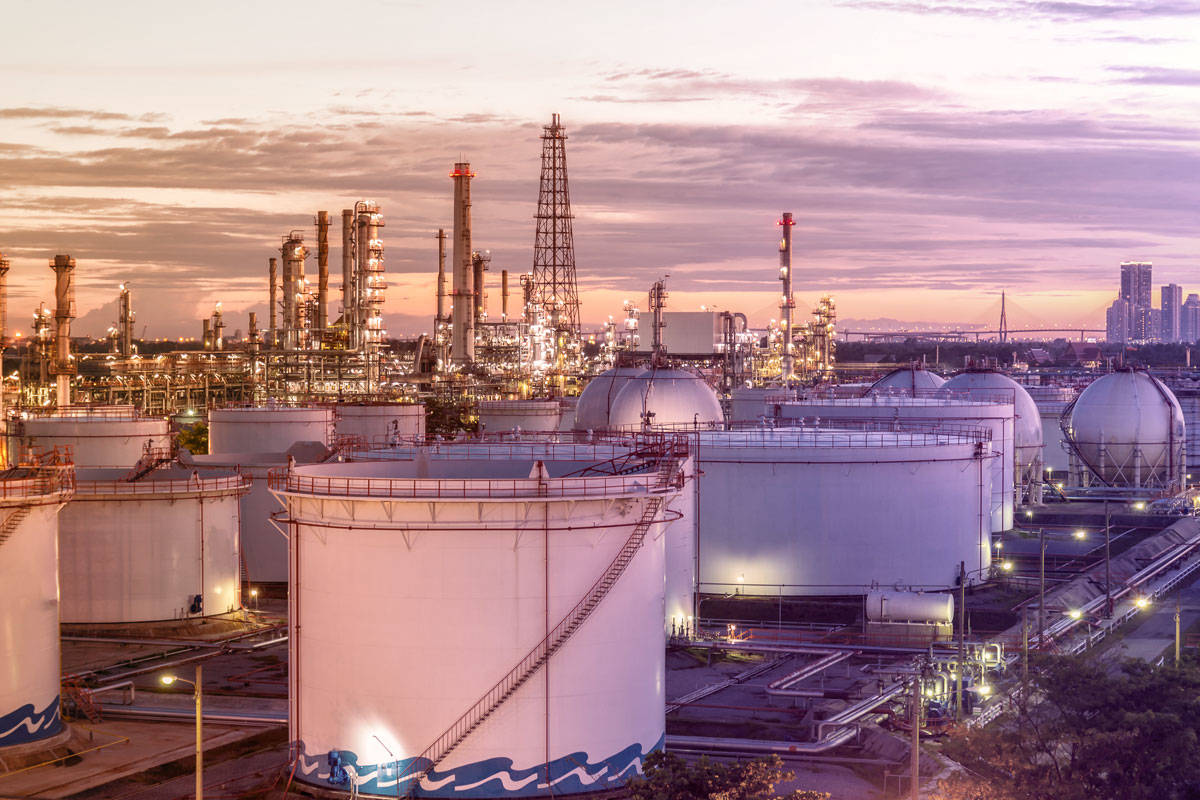
The petrochemical industry transforms crude oil and natural gas into the products that underpin modern life — from plastics and synthetic fibres to fuels, solvents, and chemical feedstocks. The hydrocarbons in crude oil are distilled to separate fractions, with the residue naphtha then undergoing cracking, combining, or reshaping processes to produce aromatic compounds such as benzene, toluene, and xylene, or olefins including ethylene and propylene. Further transformation yields the plastics, synthetic materials, and chemical intermediates used across virtually every other industrial sector.
The chemical risks in this industry are extensive and present at every stage of operation.
Production uses chemical reagents including hydrofluoric acid, sulphuric acid, and potassium hydroxide in alkylating processes. Phenol, toluene, and methyl ethyl ketone are used in oil production processes. Ammonia is used as a refrigerant to control product temperatures, and sodium hydroxide and amines are used to remove impurities from process streams. Hydrofluoric acid in alkylation units is one of the most serious hazards in the entire petrochemical sector — it is used at large scale, under conditions where a leak or splash can involve significant volumes, and its systemic toxicity means it requires dedicated first aid provision entirely separate from general chemical burn response.
Product inspection and sampling creates chemical splash risk during routine sampling, testing, and chemical dosing operations. These are frequent, everyday activities that create ongoing background exposure risk across the workforce.
Storage, unloading, and transfer operations carry inherent risk despite the application of PPE and safe systems of work. Unloading concentrated chemicals, transferring between storage vessels, and decanting into process feeds are all stages where spills and splashes occur.
Maintenance is statistically the highest-risk activity on petrochemical sites. Cleaning, purging, and draining systems; disassembling pipes and pumps; and breaking into pressurised or chemical-containing lines all create acute chemical exposure risk. Incidents during maintenance are among the most common causes of serious chemical burns in the sector.
On-site energy generation, effluent treatment, and waste gas treatment facilities add further chemical hazard profiles to an already complex risk environment.
Diphoterine® provides broad-spectrum active decontamination across the acids, alkalis, oxidisers, and solvents encountered throughout petrochemical operations — phenol, sulphuric acid, potassium hydroxide, sodium hydroxide, and the full range of process chemicals. Its portable format means it can be stationed at maintenance access points, sampling stations, chemical transfer areas, and all locations where the COSHH risk assessment identifies realistic exposure risk.
For hydrofluoric acid exposures from alkylation unit operations — the most serious chemical hazard in this sector — Hexafluorine® is the dedicated Prevor decontaminant, used as part of a specific HF response protocol that must also include calcium gluconate gel provision and trained first responders. Used in combination with Trivorex®, Polycaptor® and Le Vert® / Le Vert HF®, DipHex can provide comprehensive chemical first aid and spill management coverage across the complete petrochemical hazard profile.
Chemicals of note in this industry:
Hydrofluoric Acid (alkylation — requires Hexafluorine®), Sulphuric Acid, Potassium Hydroxide, Sodium Hydroxide, Phenol, Ammonia, Amines, Benzene, Toluene, Methyl Ethyl Ketone.
COSHH and compliance
Petrochemical COSHH risk assessments must address the HF alkylation hazard with a dedicated protocol, and must ensure that maintenance and sampling operations — the highest-risk activities — have adequate portable provision at the point of work rather than relying solely on fixed emergency shower locations. Diphoterine® systems conform with EN15154 Parts 3 and 4 — the European Standards for Emergency Eye and Skin Decontamination Equipment.
Contact DipHex on 01622 851000 or at enquiries@diphex.com to arrange a Technical Site Survey for your petrochemical facility.