

Paper Industry
Chemical first aid for paper pulp production, bleaching and recycling
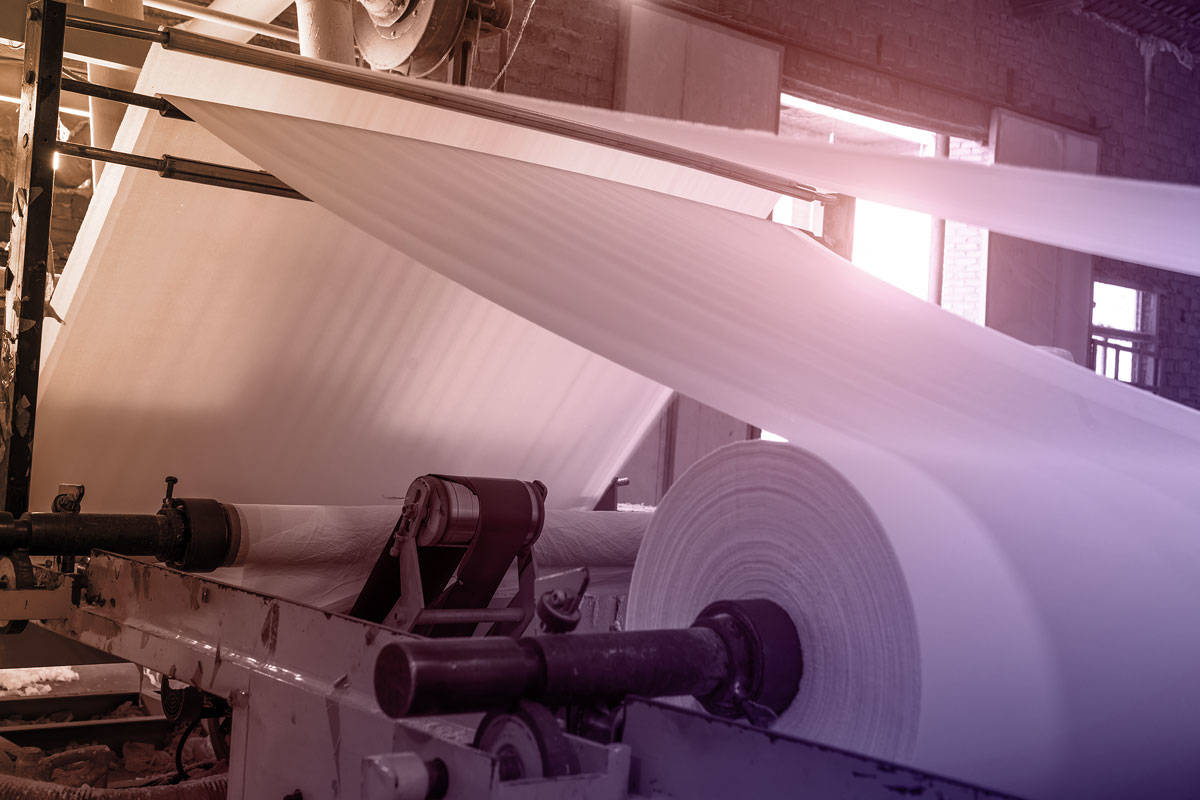
Paper manufacturing is a complex multi-stage industrial process that produces everything from packaging materials and newsprint to writing paper and hygiene products. Chemical risk is present at multiple stages of production — from pulp preparation through bleaching, recycling, and paper manufacture — and also within the manufacturing plants themselves through cleaning operations, effluent treatment, dyeing processes, and on-site laboratory testing.
Paper pulp production is where the most hazardous chemicals are used. The Kraft process — the dominant industrial pulping method — uses sodium hydroxide and sodium sulphide to dissolve the lignin that holds wood fibres together, extracting the cellulose needed for paper. Sodium hydroxide raises the pH of the process to very high levels, causing the wood fibres to swell in preparation for processing. The more environmentally friendly soda pulping process also uses sodium hydroxide as its primary chemical. Both processes involve concentrated caustic alkali handling at scale, creating significant burn risk at dosing, transfer, and maintenance stages.
Bleaching transforms the naturally brown pulp into the white paper products consumers expect. Historically, elemental chlorine was the primary bleaching agent, but its environmental impact drove a shift to alternative chemistries. Modern bleaching uses chlorine dioxide, sodium chlorate, ozone, and hydrogen peroxide — all of which carry their own chemical hazard profiles. Hydrogen peroxide at industrial concentrations is a powerful oxidiser that causes serious skin and eye burns on contact. Chlorine-based bleaching agents release toxic gas if they contact acidic substances, creating an additional inhalation hazard in bleaching environments.
Paper recycling involves predominantly mechanical processing and steam treatment, but also uses hydrogen peroxide, sulphonic acid, and sodium hydrosulphite. De-inking treatments use washing or flotation processes that may involve surfactants and other chemical additives.
Paper manufacture and finishing involves the addition of clay, dyes, bonding agents, wet-strengthening agents, and retention agents depending on the paper type being produced. Final surface treatments — for glossy, coated, or specialist papers — add further chemical exposure risk.
All of these processes share a common characteristic: large volumes of chemicals are handled in industrial environments where chemical splashes during dosing, pipe connections, tank maintenance, and equipment cleaning are foreseeable events. Diphoterine® is active across all the chemical types present in paper manufacturing — sodium hydroxide, hydrogen peroxide, sulphuric acid, peracetic acid, sodium peroxide, and the full range of process chemicals — providing broad-spectrum active decontamination in a single portable format that can be stationed at pulp preparation, bleaching, and effluent treatment areas.
Used in combination with Trivorex®, Polycaptor® and Le Vert®, DipHex can provide comprehensive coverage for chemical splashes and spills across all paper industry process areas.
Chemicals of note in this industry:
Sodium Hydroxide, Sodium Sulphide, Hydrogen Peroxide, Sodium Peroxide, Chlorine Dioxide, Sodium Chlorate, Sulphuric Acid, Peracetic Acid, Sodium Hydrosulphite.
COSHH and compliance
Paper manufacturing COSHH risk assessments must address chemical exposure risks across multiple process stages, including the high-alkali pulping environment, the oxidiser hazards in bleaching, and the effluent treatment chemicals used on site. Diphoterine® systems conform with EN15154 Parts 3 and 4 — the European Standards for Emergency Eye and Skin Decontamination Equipment.
Contact DipHex on 01622 851000 or at enquiries@diphex.com to discuss chemical first aid provision for your paper manufacturing facility.